Microbiology has always been the bottleneck in product release. Traditional culture is reliable but slow — and every extra day a lot spends in quarantine is a day of warehousing, delayed revenue, and slower response if something goes wrong. Automated enumeration and real-time PCR compress that timeline without giving up rigor.
Why traditional culture takes so long
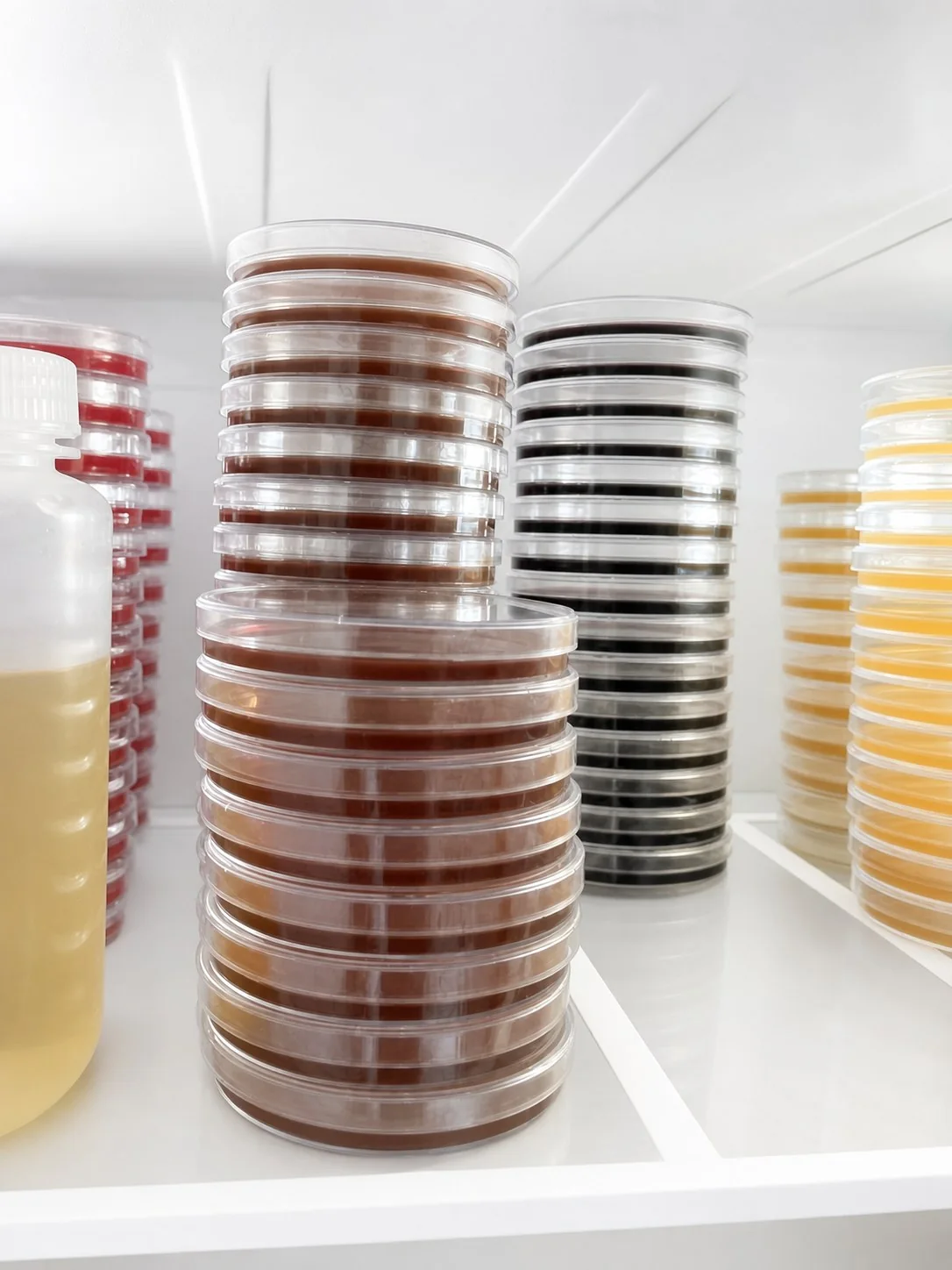
The classic workflow is a sequence of waits. A sample is enriched to resuscitate stressed organisms, streaked onto selective media, incubated, then any suspect colonies are confirmed biochemically or serologically. Each step is an overnight incubation, so a definitive pathogen result commonly lands in 5–7 days or more. Enumeration adds its own manual burden: serial dilutions, pour or spread plates, and colony counting by eye — the steps where most human error and variability creep in.
Automated MPN enumeration (TEMPO®)
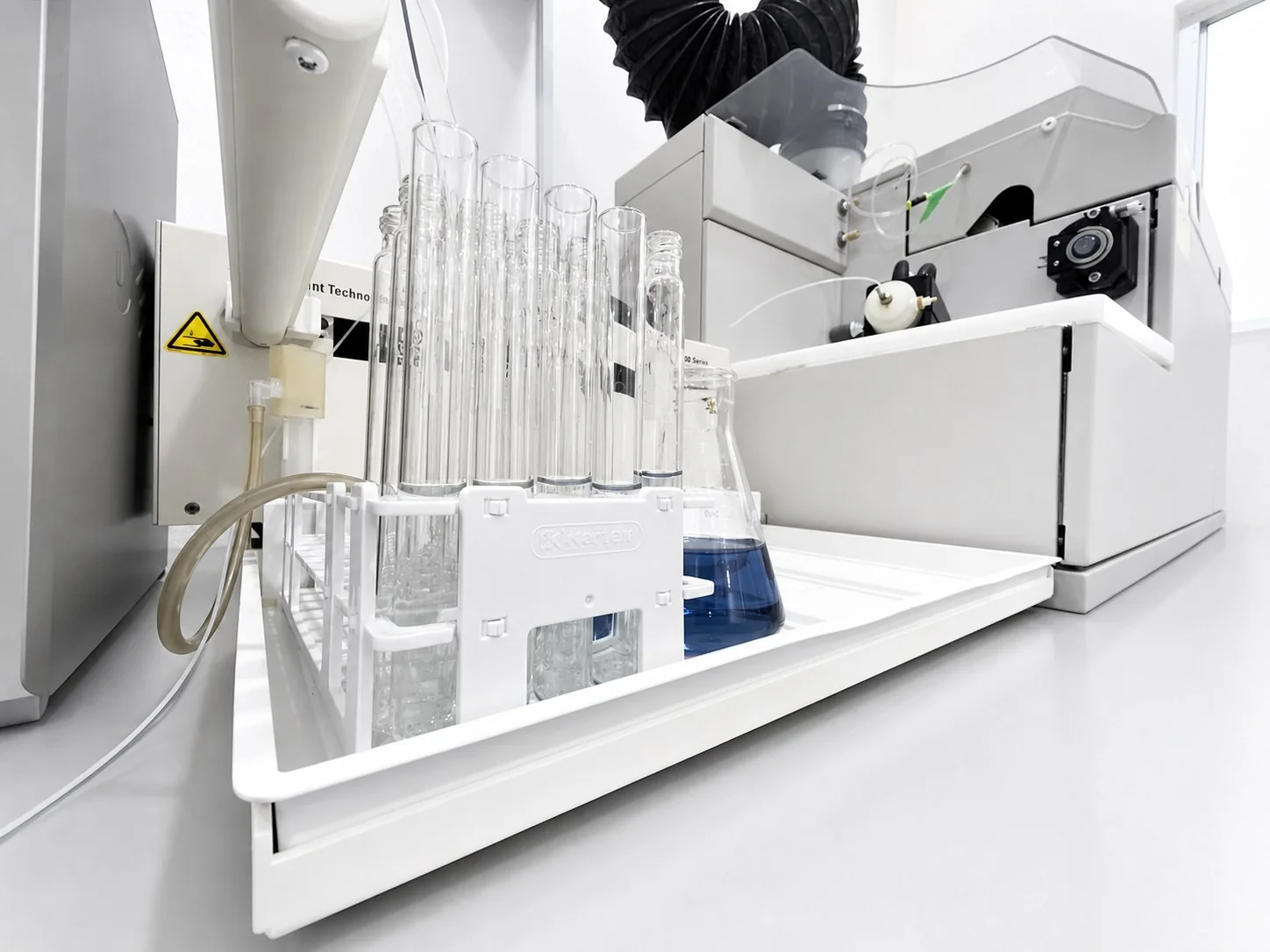
The Most Probable Number (MPN) method is a statistical way to estimate a count from patterns of growth across dilutions. bioMérieux's TEMPO® condenses that gold-standard method into a single automated card with dozens of wells spanning three dilutions. The instrument fills the card, incubates it, reads fluorescence to detect growth, and computes the MPN — removing the manual dilutions and colony counts that drive variability in traditional enumeration. Common indicators (total viable count, coliforms, E. coli, yeast and mould, Enterobacteriaceae) are read automatically the next day.
Real-time PCR pathogen detection (GENE-UP®)
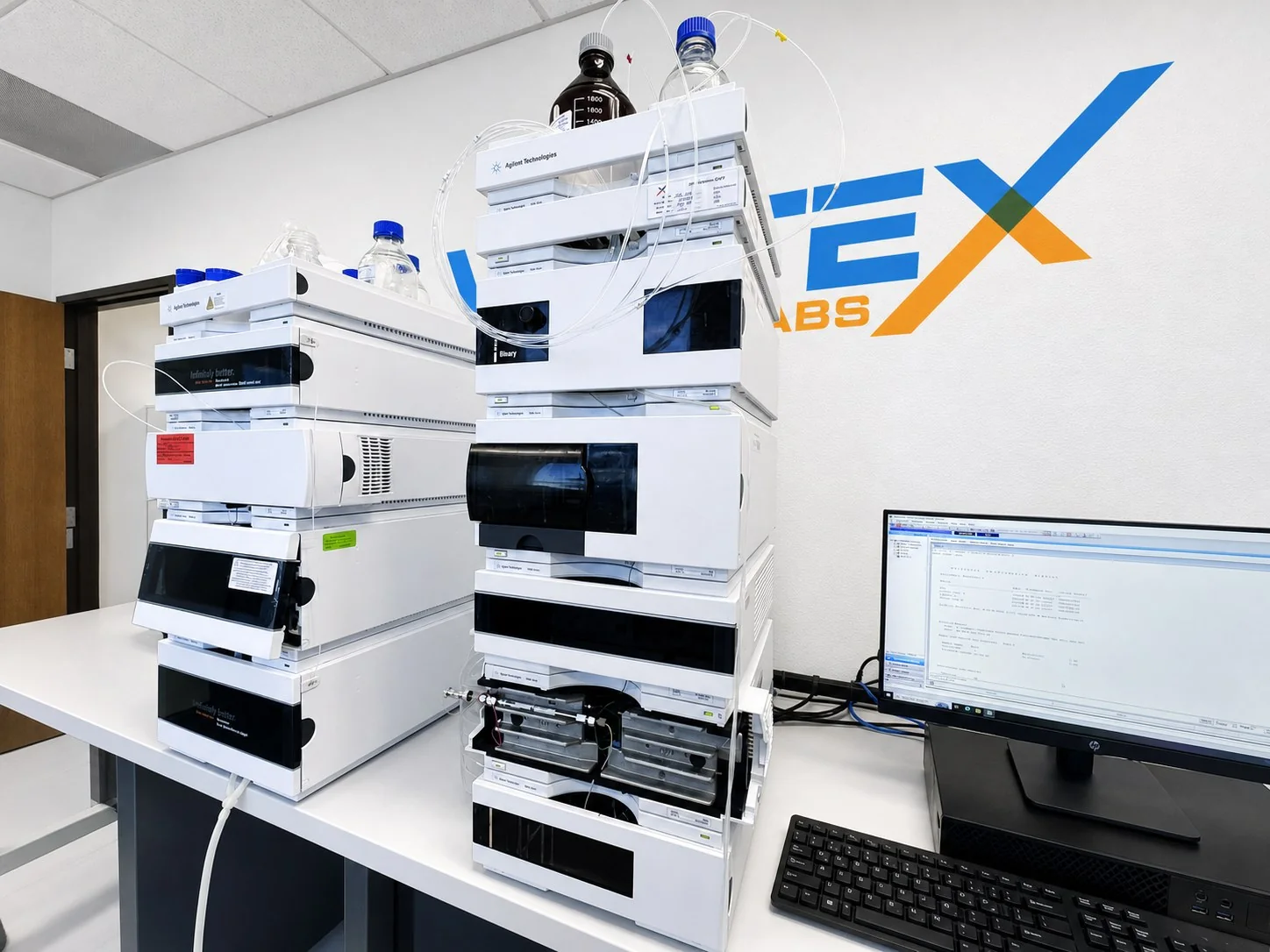
For pathogens, the question is usually presence or absence, and speed is everything. GENE-UP® uses real-time PCR to detect the DNA of target organisms — Salmonella, Listeria monocytogenes, Shiga toxin–producing E. coli, Cronobacter — after a short primary enrichment. Because it reads a genetic signal rather than waiting for visible colonies and biochemical confirmation, a screening result can be available in as little as 1–2 days, with any presumptive positive confirmed by reference methods.
Figure
Time to result: culture vs. automated methods
Values in days
Representative time-to-result. Actual turnaround depends on the organism, required enrichment, and confirmation of presumptive positives.
Source: Method timelines for automated enumeration and PCR detection vs. conventional culture.
Faster, without cutting corners
These platforms are not shortcuts around the standards — they run within them:
- Validated methods. The assays are AOAC-validated and mapped to recognized reference methods, so a faster result is still an equivalent one.
- Compendial alignment. Enumeration and absence-of-specified-organisms testing follow harmonized compendial expectations (e.g., USP general chapters for microbial examination of nutritional and dietary supplements).
- Confirmation on positives. Presumptive PCR positives are confirmed, so speed on the many negatives never compromises certainty on the few positives.
Why the days matter
Shorter time-to-result means lots are released sooner, less finished goods sit in quarantine, and — if a problem appears — it's caught before more product is made or shipped. Speed here is a quality control, not just a convenience.
The net effect: at Vertex, the full microbiology panel returns in 3 days, and PCR pathogen screening can be as fast as 1–2 — versus the week-plus that conventional culture often requires.
References
- 1.FDA — Bacteriological Analytical Manual (BAM)
- 2.USP — Microbiology general chapters <2021> / <2022> (nutritional & dietary supplements)
- 3.AOAC INTERNATIONAL — Official Methods of Analysis (OMA)
Educational content. Regulatory limits and methods referenced are current at time of writing; confirm the applicable standard for your product and market.